Why Your Knee Gives Way and How to Stop It

Overview: Why Your Knee Gives Way Have you ever wondered why your knee gives way, leaving you unstable or even worried about falling? That sudden, unnerving feeling—your knee buckling beneath you—can be both frightening and disruptive to daily life. When your knee gives way, it’s often a sign of a deeper problem with the structures […]

What is a Paediatric Exercise Physiologist?

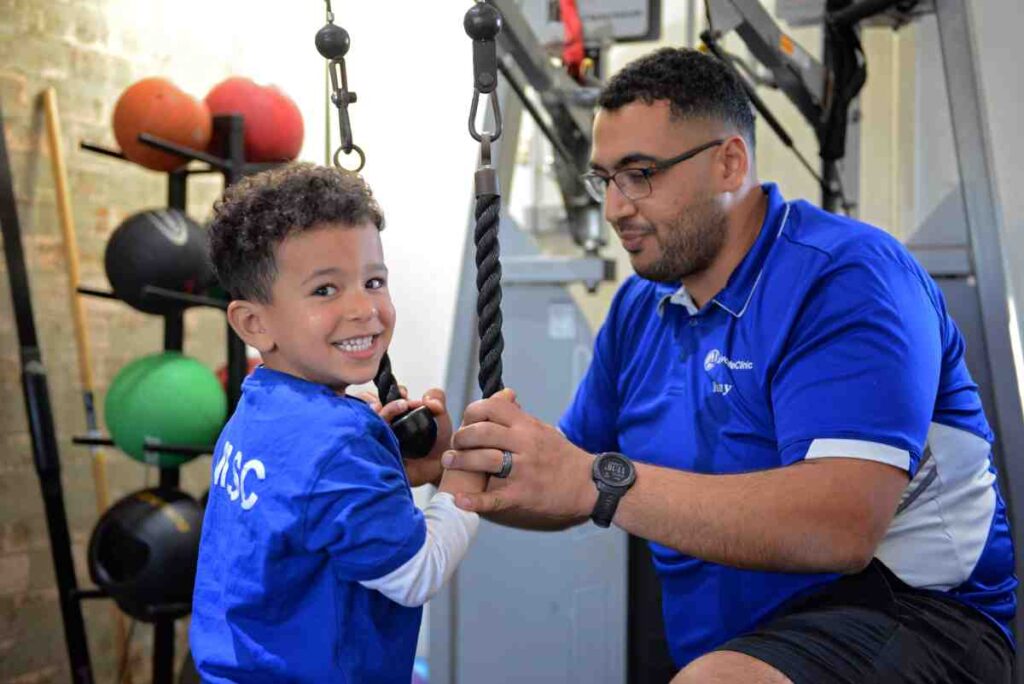
A Paediatric Exercise Physiologist is an allied health professional who specialises in designing and delivering exercise programs for children and adolescents. They use their in-depth knowledge of the human body, movement, and developmental stages to help children improve their physical health, manage chronic conditions, and build lifelong healthy habits. At its core, the role is […]

Guide to Treatment for Subacromial Bursitis

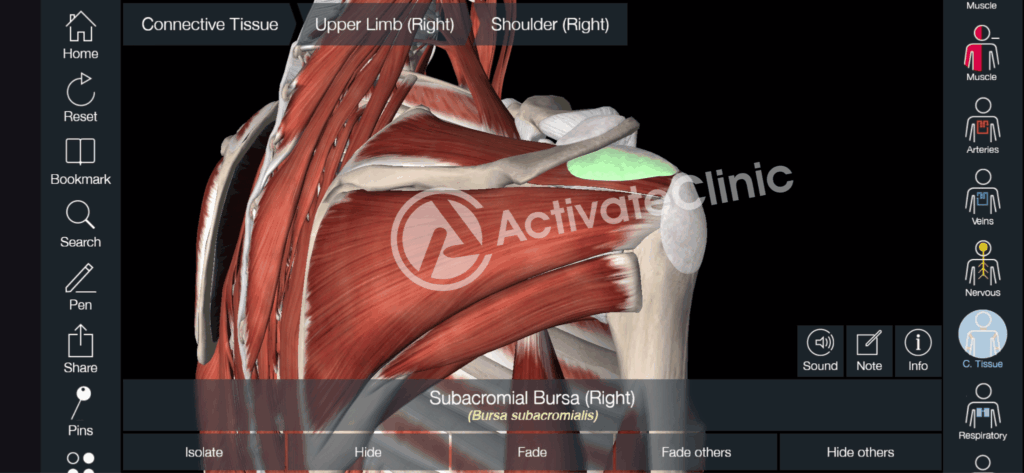
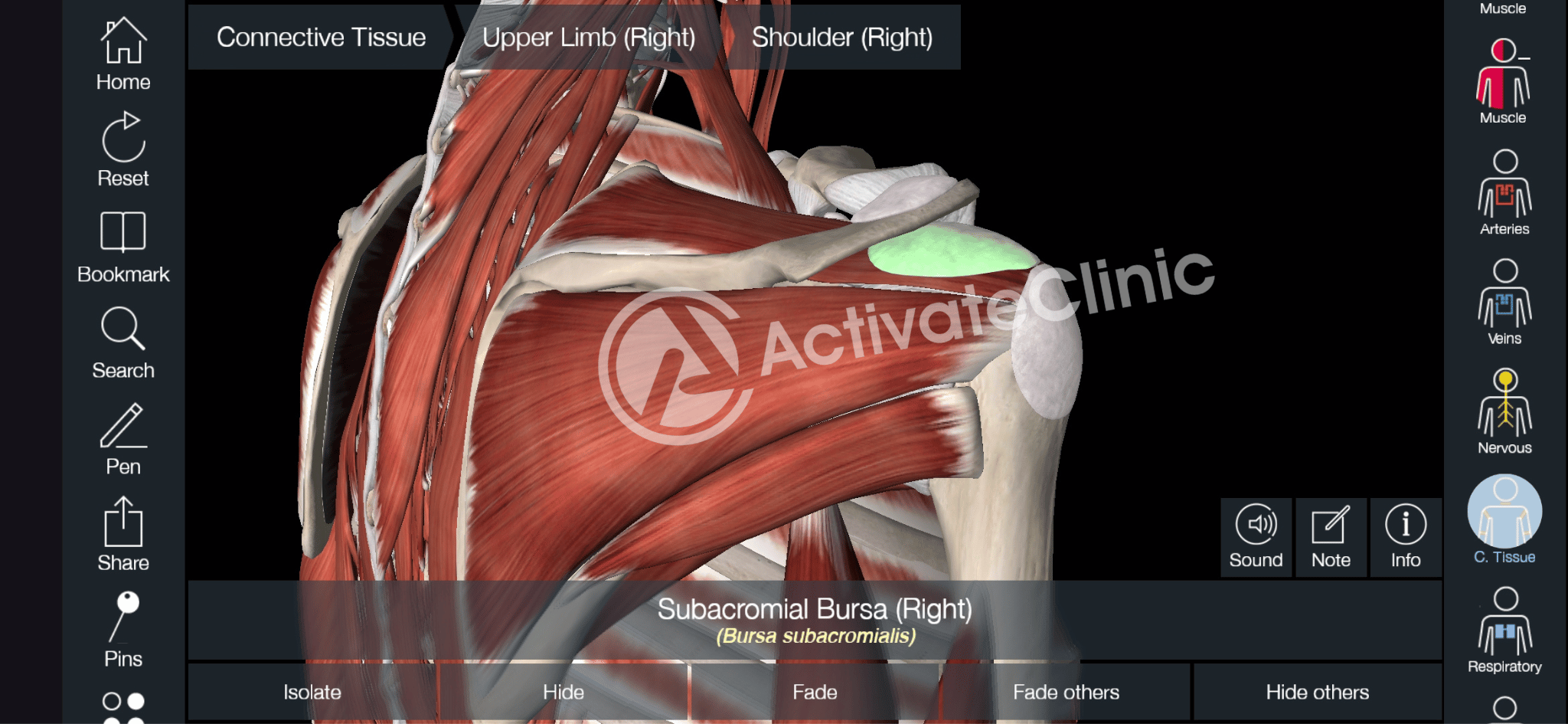
Subacromial Bursitis Overview Shoulder pain can be a persistent and disruptive problem, affecting everything from reaching into a cupboard to getting a good night’s sleep. One of the most common causes of this discomfort is subacromial bursitis. At Activate Clinic, we understand how frustrating this condition can be, which is why we offer a natural, […]

A Guide To Frozen Shoulder Treatment

Frozen shoulder can be a frustrating and painful condition, limiting your ability to perform even simple daily tasks. This gradual stiffening of the shoulder joint can significantly impact your quality of life. At Activate Clinic, we offer a natural, exercise-based program designed to guide you through recovery and help you regain full function. This article will explain the symptoms of frozen shoulder, outline traditional treatments, and detail our supportive, four-stage approach to helping you move freely again.   What is Frozen Shoulder? Frozen shoulder, medically known as adhesive capsulitis, is a condition where the shoulder capsule—the connective tissue surrounding the shoulder joint—becomes thick, tight, and inflamed. This process restricts movement, causing significant pain and stiffness. The exact cause is not always clear, but it can develop after an injury or period of immobilisation.   Common Symptoms People experiencing frozen shoulder typically notice a few key symptoms:   Persistent Shoulder Pain: A dull or aching pain, often worse at night and with movement. Progressive Stiffness: A gradual loss of motion in the shoulder joint, making it difficult to lift your arm. Limited Range of Motion: Difficulty with activities like reaching overhead, fastening a seatbelt, or dressing. The condition usually progresses through three phases:   Freezing Stage: Pain increases, and your shoulder's range of motion starts to become noticeably limited. This can last from weeks to months. Frozen Stage: Pain may begin to diminish, but stiffness becomes more pronounced. Using your shoulder becomes very difficult. This stage can last for several months. Thawing Stage: The range of motion slowly begins to improve. [...]

Shoulder Surgery Recovery: Expert Exercise Physiology for Post-Op Rehab at Activate Clinic

Introduction A shoulder injury can be one of the toughest to manage, impacting everything from simple daily tasks to overall quality of life. Living with limited shoulder function often brings pain, frustration, and challenges. For severe cases, surgery might be the best solution—and while it’s a big decision, many patients see significant improvements post-op. However, the true key to success lies in individualized rehabilitation. The most common post-op shoulder surgery we see at Activate Clinic involve rotator cuff repair mainly of the supraspinatus tendon however the rehab protocols are quite similar for any shoulder surgery. Longer term injuries generally have a greater challenge during rehabilitation as muscles can become tighter and poor mechanics can develop the longer you live with an injured shoulder. The Early Weeks Post-Surgery: Rest, Recovery, and a Sling The first six weeks after surgery usually require wearing a sling most of the day to protect the shoulder and limit movement. During this initial phase, rehab options are minimal, and one of the main challenges is achieving restful sleep while avoiding unnecessary strain on the shoulder. This time is about giving your shoulder the rest it needs to heal, while you also have to avoid overloading the unaffected shoulder which will be working double time. Building Mobility: Weeks 6-10 By the six-week mark, you’ll be ready to start gentle rehabilitation exercises. This stage focuses on assisted range of motion to gradually activate your muscles in a safe, controlled way. While your surgeon may provide a standard exercise sheet, we’ve found that our individualised rehab method at Activate […]

Video: tips & strategies to get yourself and your family more active

In this video we cover: Tips & strategies for getting yourself, your kids and your family more active   1. Finding facebook groups in your local community or involving active interests These groups often help to identify go-to places and especially useful for discovering hidden gems. You can find groups for bush walking, dog friendly walks, kayaking, holiday destinations, playgrounds and so much more. You can then save the locations in a google maps list to be able to pull them up whenever you have some time.   2. Turn everyday tasks into active activities For example, using a ball to make a long walk less of a chore for young kids   3. Gamify or track your exercise routine using technology Using apps such as Strava, All Trails or your smart watch apps (Garmin, fitbit, apple health etc) to keep a log of your walks, runs, bike rides etc to be able to compete against yourself (and others) for some added motivation and satisfaction of seeing your improvements over time. 4. Find local park exercise equipment Search or find public free exercise equipment usually at local parks which can be a fun way to break up the day with getting a quick sweat on and enjoy the great weather   5. Find a structured form of exercise like Activate Clinic! At Activate Clinic we specialise in helping everyone find safe ways to exercise. Accessing structured exercise programs such as those we provide at Activate Clinic can help you make up for a lack of motivation, prevent injuries and get [...]

10 Ways To Get Your Kids More Active

1. Make physical activity into a challenge “I’ll race you to the tree.” “Let’s see who can hold a plank the longest” “I bet you can’t score 3 goals against me”   2. Do it with them Go for a walk or bike ride together,   3. Youtube Dance Along Videos You probably already know them and you have to love them. I never got into dancing as a kid but these days even I will get up and try some of the moves out with my little dudes.   4. Find Active Outings & Community Events Have you ever been to a parkrun? You can just walk but its a great way to get out while being active. Beachside markets, school fates are great ways to get out and moving as a family.   5. Go on a mission to find the best local playground This is one of our favourites and my family especially loves this game when we travel. We’ll check out all the playgrounds to pick our favourite then we can go back. Kids are always moving and they’re busy looking for the best each one has to offer.   6. Exercise or be active BEFORE TV & Games Have you every woken up on a lazy rainy day and stayed in your PJ’s and turned on a movie? I bet you didnt move much that day! Once you get into the lazy mode it’s very hard to get out. So get moving first and then engage lazy mode later.   7. Give gifts that promote […]

Our 4 best shoulder rehab tips

After many years of battling against stubborn shoulder injuries, I wanted to share with you some tips we have learned over the years to get the most out of your shoulder therapy. Tip 1: Go HardA shoulder injury isn’t something that you should ignore. For a few, rest will be enough to get rid of the pain, but resting doesnt solve the reason the injury happened in the first place. Please don’t just do nothing, the sooner you start the process the easier it will be! Getting it sorted right now will result in: less total time spent on rehab less total pain endured less sleepless nights less medical expenses Tip 2: You need to maintain your range of motionDon’t just avoid movements that once were painful. Most people should avoid loaded movements at painful ranges, but not all movements. Often we see clients who have avoided lifting their arms above their head due to the pain they feel. If the muscles don’t go through their full range of motion often, they will shorten & tighten and make it more difficult to restore their length & flexibility later.Always keep working on your range of motion and we can help you figure out the best way for you to do that.Tip 3: Work out the movements that are aggrevatorsYou don’t necessarily need to avoid these movements but learning which movements in the “real world” (your normal life outside the clinic) could aggrevate your injury will help you (and us) figure out which movements require more strengthening at later stages of your recovery.Tip 4: Don’t use heat before bedIt’s […]

How to fix hip bursitis and chronic hip pain

Hip bursitis and chronic hip pain are some of the most common complaints that we face in our clinic. Hip bursitis can be cataegorised as an overuse injury which can make it a tricky problem to resolve if you need to keep using your hip (walking, standing etc). WHAT IS HIP BURSITIS? The bursa is a fat pad that protects tendons from scraping against bone. In the hip there are two main bursa's that can be affected - the subtrochanteric bursa and the ???. In the hip, the bursa's job is to prevent the tendons of the gluteal muscles (glute medius and glute maximus) from scraping on the hip bone. Hip bursitis occurs after excessive friction or excessive repetitions occur and the bursa becomes inflamed. Bursitis refers to inflammation of the bursa (fat pad that protects the tendon from scraping against bone). WHAT CAUSES HIP BURSITIS? There are a few factors that can lead to hip bursitis: 1. Repetitive Stress Walking long distances - the body adapts well to regular walking, however an unusual uptick in walking long distances can lead to hip bursitis. For example: many cases of hip bursitis can be triggered after travelling oversees and undertaking a lot of walking as part of being a tourist. Standing in one spot for a prolonged time - when you stand on the same spot, the muscles at the hip work to keep you upright but can suffer as they are stuck at a fixed length for a long period of time. This can cause fatigue in the muscle as a result of a lack [...]