A Paediatric Exercise Physiologist is an allied health professional who specialises in designing and delivering exercise programs for children and adolescents. They use their in-depth knowledge of the human body, movement, and developmental stages to help children improve their physical health, manage chronic conditions, and build lifelong healthy habits.
At its core, the role is about understanding the unique physical and psychological needs of young people. Unlike adults, children are constantly growing and developing, which requires a specialised approach to exercise prescription. We work with a wide range of individuals, from those with developmental delays and chronic health conditions to young athletes looking to improve their performance safely.
This field combines the science of exercise with the art of engaging with children, creating a supportive and fun environment where they can build strength, confidence, and a positive relationship with physical activity.
Why We Love Working with Kids
Working with children is an incredibly rewarding experience for our team of experienced Paediatric Exercise Physiologists. It offers a unique opportunity to make a lasting, positive impact on a person’s life from a young age. Here are some of the key reasons why we are so passionate about paediatric exercise physiology.

Making a Bigger Impact
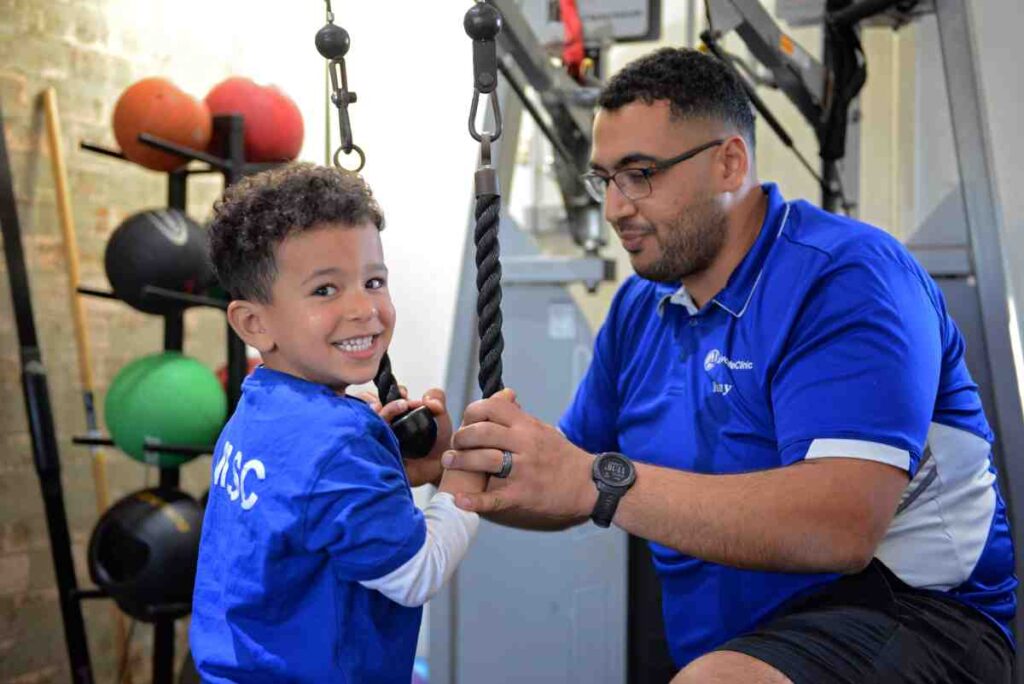
One of the most fulfilling aspects of this work is the potential to change the trajectory of a child’s health and well-being. By intervening early, we can address physical challenges before they become ingrained habits or more significant problems in adulthood. Teaching a child how to move correctly, manage their energy, or build strength can have a ripple effect, influencing their physical capabilities, social interactions, and mental health for years to come.
When a child learns to master a skill they previously found difficult, it’s a powerful moment. That success isn’t just about physical improvement; it’s about showing them they can overcome obstacles. This foundation of resilience and self-belief is something they carry with them long after our sessions end.
Improving Self-Confidence
For many children, physical challenges can lead to feelings of frustration or exclusion. They might struggle to keep up with friends in the playground or feel self-conscious in physical education classes. Our goal is to create a space where they can succeed and feel proud of their achievements.
We do this by breaking down complex movements into manageable steps and celebrating every small victory. Whether it’s learning to jump with two feet, balancing on one leg, or catching a ball, each accomplishment builds a child’s self-esteem. Seeing a child’s confidence blossom as they realise their own capabilities is one of the greatest rewards of this profession. They start to see themselves as strong and capable, which can transform how they approach all aspects of life.
Having Lots of Fun
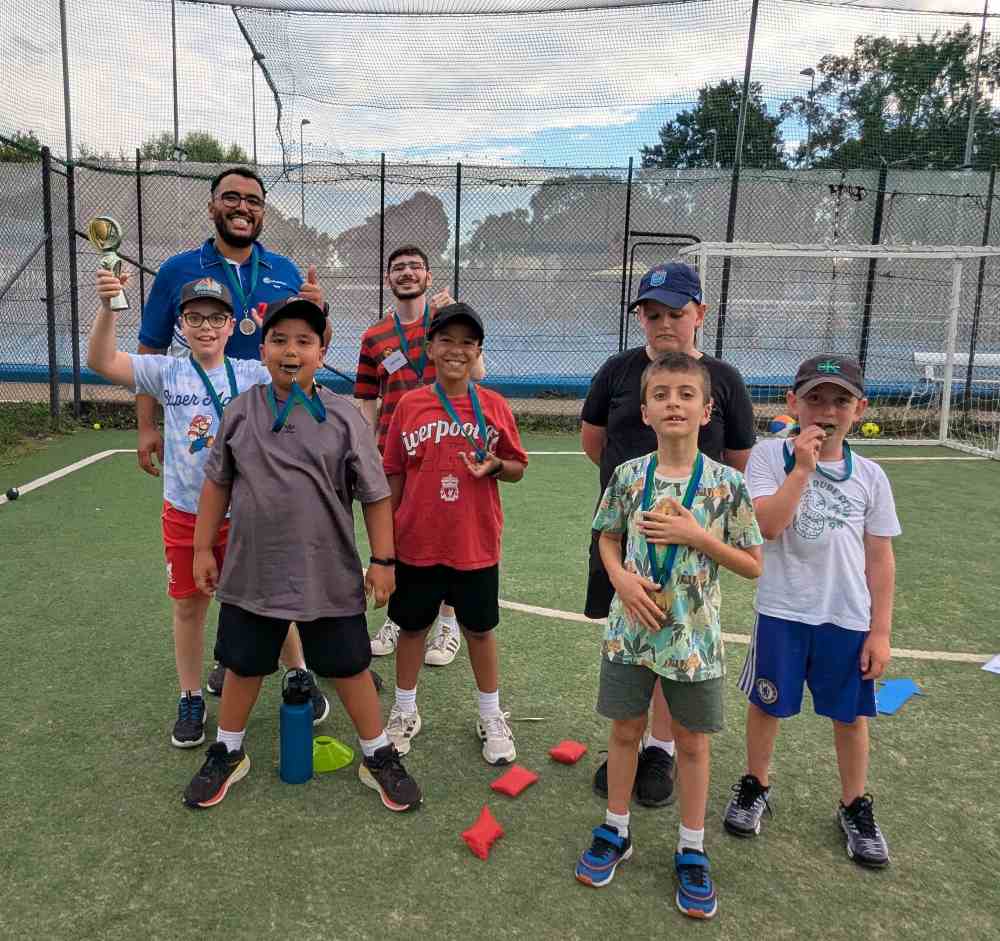
Let’s be honest—working with kids means we get to play all day! The key to successful paediatric exercise physiology is to make it feel like anything but exercise. Sessions are designed to be fun, engaging, and imaginative. We don’t just do squats; we pretend to be frogs jumping from one lily pad to another. We don’t just practice balancing; we navigate a ‘lava-filled’ obstacle course.
This play-based approach is crucial for a few reasons:
- It keeps children motivated: When they are having fun, they are more likely to participate enthusiastically.
- It reduces pressure: A playful environment helps children feel relaxed and less anxious about performance.
- It enhances learning: Children often learn best through play, as it allows them to explore and experiment with movement naturally.
By disguising therapeutic exercises as games, we can achieve clinical goals while ensuring the child has a wonderful time.

How Paediatric Exercise Physiology Helps
We address a wide variety of needs and conditions through carefully structured, evidence-based programs. Here’s a breakdown of how we can help.
1. Building Foundational Skills
Many children we see need support with fundamental movement skills. These are the building blocks for more complex activities like playing sports or navigating a busy playground.
- Muscle Strength: We use fun activities, like animal walks or climbing, to build strength in a child’s core, legs, and upper body. This helps with everything from posture to handwriting.
- Flexibility: Gentle, playful stretching helps improve a child’s range of motion, reducing the risk of injury and improving their ability to move freely.
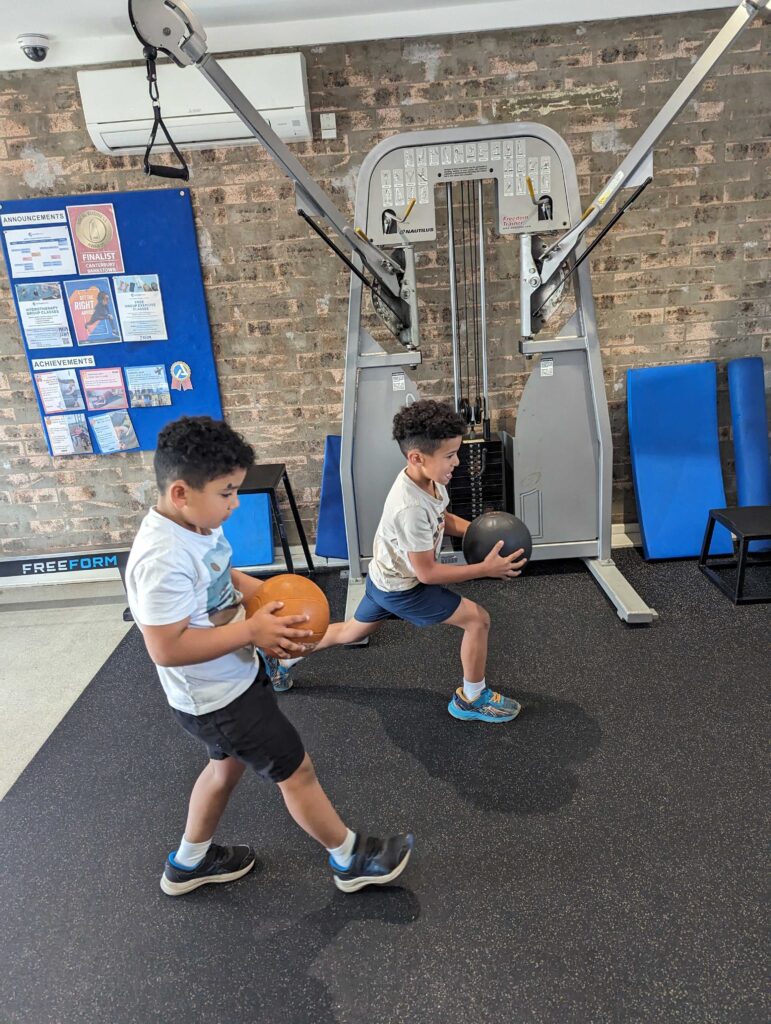
- Coordination and Balance: Through obstacle courses, balance beams, and ball games, we help children improve their coordination and balance, which is essential for safety and participation in physical activities.
2. Managing Specific Conditions
A Paediatric Exercise Physiologist can also play a key role in managing various health conditions and developmental challenges.
- Developmental Delays: For children with delays in their motor skills, we can create targeted programs to help them catch up to their peers. This may involve focusing on milestones like crawling, walking, or jumping.
- Asthma: We teach children with asthma how to manage their breathing during physical activity. By understanding their limits and learning proper techniques, they can participate in sports and play with more confidence and less fear of triggering their symptoms.
- Neurological Conditions: For children with conditions like Cerebral Palsy or Autism Spectrum Disorder (ASD), exercise can help improve motor control, sensory processing, and social skills in a supportive setting.

Creating a Positive Environment for Growth
Ultimately, our role is to be more than just an instructor; it is to be a guide, a cheerleader, and a trusted partner in a child’s health journey. The most effective programs are built on a foundation of trust and positivity. When a child feels safe, understood, and encouraged, they are empowered to push their boundaries and discover what their bodies are capable of.
By celebrating effort over perfection and making movement a source of joy, we help children build a positive, lifelong relationship with physical activity. This not only supports their physical development but also nurtures their mental and emotional well-being, setting them up for a healthier, happier future.
If you are looking for an experienced Paediatric Exercise Physiologist for your child, get in touch to see how we can help you. We are NDIS registered and also have lots of experience working with young athletes.