

Subacromial Bursitis Overview
Shoulder pain can be a persistent and disruptive problem, affecting everything from reaching into a cupboard to getting a good night’s sleep. One of the most common causes of this discomfort is subacromial bursitis. At Activate Clinic, we understand how frustrating this condition can be, which is why we offer a natural, exercise-based program to help you find lasting relief.
This article will explain subacromial bursitis, traditional treatment methods, and our structured, four-stage approach designed to restore your shoulder’s function and help you move without pain.
What is Subacromial Bursitis?
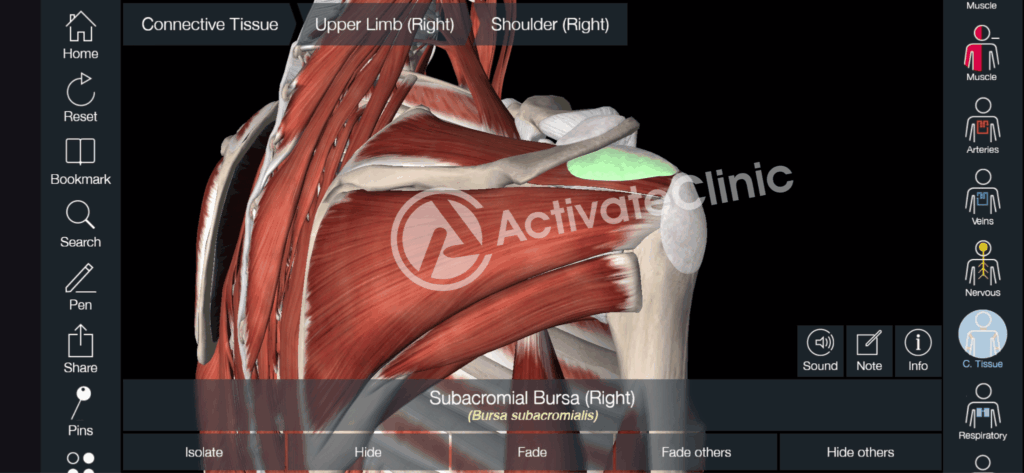
Subacromial bursitis is a common shoulder condition characterised by inflammation of the bursa located in the subacromial space. The bursa is a small, fluid-filled sac that acts as a cushion, reducing friction between the rotator cuff tendons and the acromion (the bony tip of your shoulder blade).
When you lift your arm, this bursa helps the tendons glide smoothly. However, if it becomes inflamed—a condition known as bursitis—this space narrows, leading to pain and irritation every time you move your arm. It is often categorised as an overuse injury, developing from repetitive movements or sustained pressure.

Common Symptoms
The signs of subacromial bursitis can range from mild to severe. Key symptoms include:
- Shoulder Pain: A dull, aching pain felt on the top and outer side of the shoulder. It may worsen when lifting your arm or lying on the affected side.
- Painful Arc of Motion: Pain that is most pronounced when you lift your arm out to the side, typically between 60 and 120 degrees.
- Weakness: The affected arm may feel weak, making it difficult to lift objects.
- Tenderness: The shoulder area may be tender to the touch.
Without proper intervention, the persistent inflammation can lead to other issues, including rotator cuff problems and a significant loss of function.
Traditional Approaches to Treatment
Conventional treatments for subacromial bursitis often focus on managing the immediate symptoms of pain and inflammation. Some of the most common methods include:
- Rest and Activity Modification: Avoiding activities that aggravate the shoulder is often the first line of advice.
- Anti-inflammatory Medication: Over-the-counter drugs like ibuprofen are frequently recommended to reduce pain and swelling.
- Corticosteroid Injections: Injecting a powerful anti-inflammatory medication directly into the bursa can provide rapid, though often temporary, pain relief.
- Surgery: In rare and persistent cases where other treatments fail, a surgeon may perform a bursectomy to remove the inflamed bursa.
While these approaches can offer relief, they may not address the underlying mechanical issues or muscle imbalances that caused the bursitis in the first place. This is where a targeted, exercise-based program provides a more comprehensive solution.
The Activate Clinic Approach: A Proven Path to Recovery
At Activate Clinic, we focus on treating the cause, not just the symptoms. Our subacromial bursitis treatment program is a non-invasive, exercise-focused solution designed to facilitate your body’s natural healing processes. We guide you through a methodical, four-stage program that is personalised to your specific needs at each step of your recovery.
Stage 1: Assessment and Understanding Your Condition
Your recovery journey starts with a thorough assessment. We do not use a generic approach because every shoulder is different. Our physiotherapist will perform a detailed evaluation to:
- Confirm that subacromial bursitis is the correct diagnosis.
- Identify the underlying causes, such as poor posture, muscle weakness, or improper movement mechanics.
- Measure your current range of motion, strength, and pain levels.
- Understand your personal goals and how the condition is impacting your life.
This first step is essential for creating a tailored treatment plan. We ensure that you fully understand our findings, so you are an active partner in your own recovery from day one.

Stage 2: Restoring Pain-Free Range of Motion
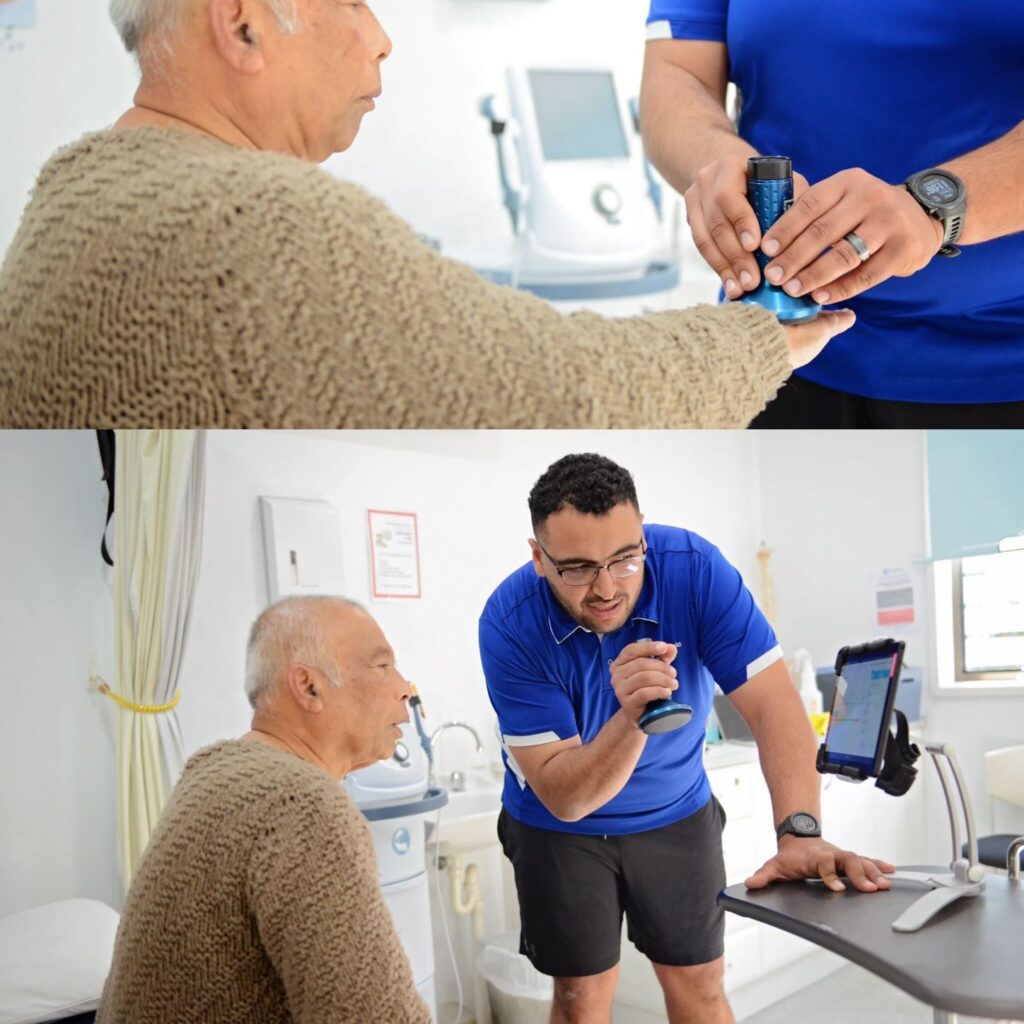
In the early phase, our priority is to reduce inflammation and gently restore your shoulder’s mobility without causing more irritation. Pushing through sharp pain can worsen the condition. Instead, we use controlled techniques to calm the inflamed tissues and encourage pain-free movement.
Techniques used in this stage include:
- Manual Therapy: Our therapists use hands-on methods to gently mobilise the shoulder joint and release tension in overworked muscles.
- Pendulum Exercises: These simple, gravity-assisted movements help to decompress the shoulder joint and reduce pressure on the bursa.
- Targeted Stretches: We will guide you through specific stretches for your chest and shoulder muscles to improve flexibility and create more space for the bursa.
This stage is designed to reduce your pain and lay the groundwork for rebuilding strength and function.
Stage 3: Restoring Normal Muscular Function
Once your pain has decreased and mobility has improved, we shift focus to correcting the muscle imbalances that contributed to the bursitis. Weakness in the rotator cuff and poor control of the shoulder blade (scapula) are common culprits. Restoring proper muscle function is critical for long-term success.
This stage involves:
- Rotator Cuff Strengthening: A progressive program of exercises to strengthen the muscles that stabilise the shoulder joint.
- Scapular Stability Training: We teach you exercises to improve the movement and control of your shoulder blade, ensuring it provides a stable foundation for arm movements.
- Postural Correction: We help you address any postural habits, such as rounded shoulders, that can contribute to shoulder impingement and bursitis.
By systematically strengthening the supporting muscles, you create a more stable and efficient shoulder, reducing stress on the bursa.

Stage 4: Returning to Normal Activities
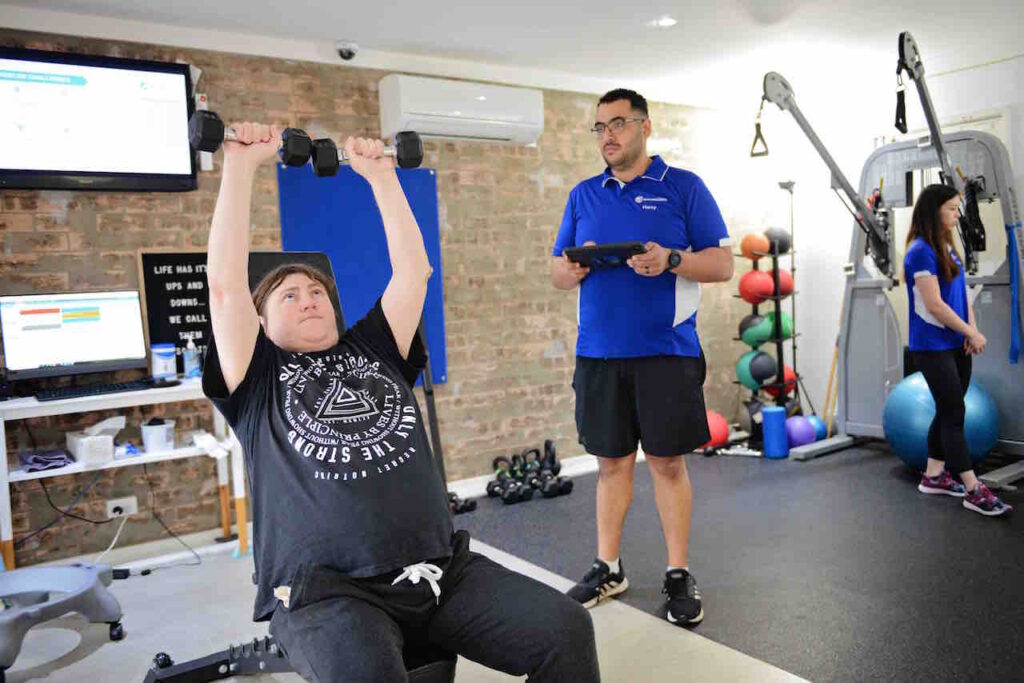
The final stage of our program is dedicated to getting you back to your life, whether that means returning to your sport, your job, or your hobbies without limitation. We tailor this phase to the specific demands of your daily activities.
In this stage, we focus on:
- Functional Training: We design exercises that simulate the real-world movements you need to perform, ensuring your shoulder is prepared.
- Load Management: We teach you how to safely and gradually reintroduce activities to avoid re-injury.
- Developing a Prevention Plan: Our goal is to empower you with the knowledge and tools to maintain your shoulder health, including a home exercise program to prevent future flare-ups.
We don’t just want to resolve your current pain; we want to give you the confidence and strength to keep your shoulders healthy for years to come.
Take Control of Your Shoulder Pain
Living with subacromial bursitis can be a daily struggle, but you do not have to manage it alone. The Activate Clinic’s structured, exercise-based program offers a clear and effective path to overcoming pain and restoring your shoulder function.
If you are tired of shoulder pain holding you back, contact us today to book an assessment. Let our supportive team help you start your journey toward a pain-free life.
-
Why Your Knee Gives Way and How to Stop It
Overview: Why Your Knee Gives Way Have you ever wondered why your knee gives way, leaving you unstable or even worried about falling? That sudden, unnerving feeling—your knee buckling beneath you—can be both frightening and disruptive to daily life. When your knee gives way, it’s often a sign of a deeper problem with the structures…
-
What is a Paediatric Exercise Physiologist?
A Paediatric Exercise Physiologist is an allied health professional who specialises in designing and delivering exercise programs for children and adolescents. They use their in-depth knowledge of the human body, movement, and developmental stages to help children improve their physical health, manage chronic conditions, and build lifelong healthy habits. At its core, the role is…
-
Guide to Treatment for Subacromial Bursitis
Subacromial Bursitis Overview Shoulder pain can be a persistent and disruptive problem, affecting everything from reaching into a cupboard to getting a good night’s sleep. One of the most common causes of this discomfort is subacromial bursitis. At Activate Clinic, we understand how frustrating this condition can be, which is why we offer a natural,…
-
Shoulder Surgery Recovery: Expert Exercise Physiology for Post-Op Rehab at Activate Clinic
Introduction A shoulder injury can be one of the toughest to manage, impacting everything from simple daily tasks to overall quality of life. Living with limited shoulder function often brings pain, frustration, and challenges. For severe cases, surgery might be the best solution—and while it’s a big decision, many patients see significant improvements post-op. However,…